For families & carers
NDIS short term respite in Newcastle and Lake Macquarie: what it covers and how to ask for it
Short term accommodation is now called short term respite. Here is what it can include, how many days are usually funded, and how families in Newcastle and Lake Macquarie can plan a break.
6 min readBy Your Way Living
The short version
- Short term accommodation (STA) is now called short term respite. The purpose is the same.
- It gives you time apart from your usual care, so the people who support you can take a short break.
- Usually funded for up to 28 days a year, which can be used in blocks (for example, up to 14 days at a time).
- It can cover everyday support and a place to stay, but not holidays, travel, entertainment or food.
Caring for someone is a big job. Short term respite is the NDIS support that gives carers a proper break, and gives the person they care for a change of scene with support they can rely on. This guide explains how it works, in plain English, and what it looks like locally.
The name changed: short term accommodation is now short term respite
In October 2025 the NDIS renamed "short term accommodation" to "short term respite" and updated its guideline at the same time. The purpose of the support is the same. You may still see "STA" on older plans and quotes; it means the same thing.
What short term respite is for
The NDIS describes it as support that gives you time apart from your usual care arrangements. It supports you while the family, friends or carers who usually help you take a short break from caring, so they can keep caring for you afterwards.
It is not a replacement for the normal time you spend apart, like school, work or community activities, and it is not crisis or emergency accommodation.
What it can include
- Support with everyday activities during the stay, such as showering, cooking and toileting.
- Somewhere to stay, such as respite accommodation, a hotel or a motel.
- Support to stay in your own home or in a homestay with a support worker, if you usually need overnight support.
What it does not cover
Holidays, travel costs, entertainment, and food or meals. It also does not replace mainstream services like crisis accommodation.
How many days you can use
Short term respite is usually funded for up to 28 days a year. You can use it in blocks, for example a block of up to 14 days at a time. Because it has to last the year, it helps to plan roughly in advance: a regular weekend each month, a longer block over the school holidays, or a mix.
Generally it is used in your home state or territory. There can be exceptions for people in remote areas.
Who can get it
The NDIS says funding may be available if you live with your main informal supports (like family) or get daily drop-in support, or if your informal supports give you more than six hours of disability-related support a day. For children under 18, funding may be available in some situations, for example where support needs are much higher than usual for their age, or where a break would help the family keep caring.
Whether it is funded, and how much, depends on your situation. Always check your own plan.
How to ask for it
Raise it at your plan meeting or reassessment
Explain who supports you day to day, how many hours they give, and why a break would help them keep going. You can ask for short term respite to be included in your plan.
Check your plan
Look at how your plan is managed (NDIA-managed, plan-managed or self-managed) and what your budgets allow. If you have a Support Coordinator, they can help you read it.
Choose a provider and agree the details
Ask what support is included, who the workers will be, where the stay is, and what happens overnight. Get it in writing in a service agreement or quote before the stay.
Plan the year
Spread the days across your plan period so there is still respite available when you really need it.
Respite with Your Way Living in Newcastle and Lake Macquarie
Your Way Living is a registered NDIS provider based in Edgeworth, Lake Macquarie. We offer respite in three ways, planned around your family:
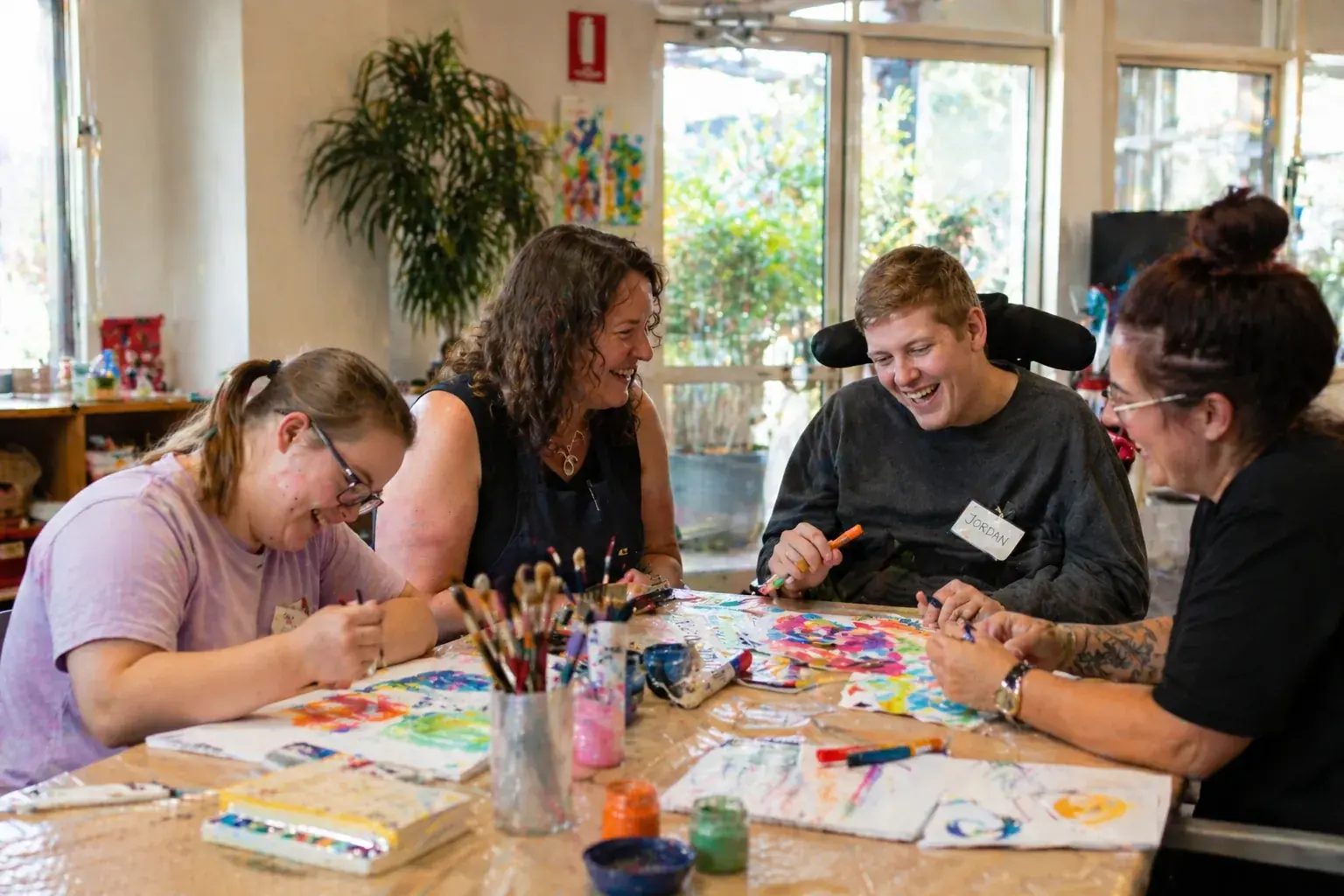
- In-home respite: a support worker comes to your home so you can take a break, for a few hours or an evening.
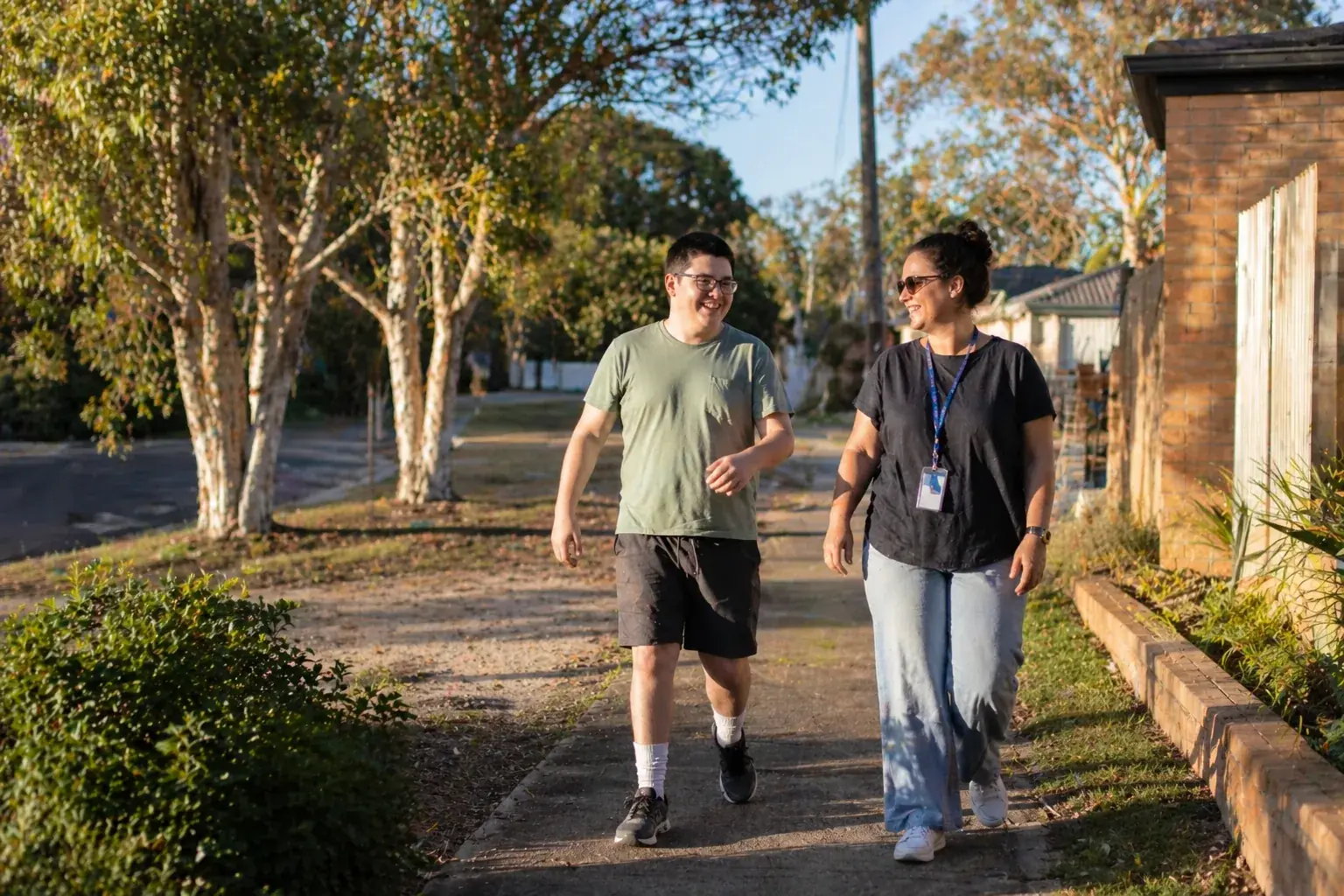
- Community respite: outings, activities and shopping with a support worker, with transport if needed.
- Short stays: a short stay in one of our homes in Newcastle or Lake Macquarie, when a room is available. Ask us about current availability.
We support families across Newcastle, Lake Macquarie and the Hunter. On the Central Coast we offer in-home and community respite. Respite can be regular or one-off, and we plan it around your family. Details are on our respite care page.
Not sure what your plan allows?
We are happy to talk it through with you, your family or your Support Coordinator. We do not provide support coordination ourselves, but we can help you connect with the right Support Coordinator, or recommend a few independent options for you to choose from. The choice is always yours.
Sources we checked
- ndis.gov.au, "What is short term accommodation" (current as of 1 July 2026) · checked 20 October 2026
- ndis.gov.au news, "Short term accommodation is now called short term respite" (20 October 2025) · checked 20 October 2026
General information only, not advice about your plan. NDIS rules change; always check your own plan or ask your Support Coordinator or my NDIS contact.
Common questions
Is short term respite the same as short term accommodation (STA)?
Yes. The NDIS renamed short term accommodation to short term respite in October 2025 and updated its guideline at the same time. The purpose of the support is the same.
How many days of respite does the NDIS fund?
It is usually funded for up to 28 days a year, which can be used in blocks, for example up to 14 days at a time. Your own plan sets the amount.
Does short term respite cover a holiday?
No. It does not cover holidays, travel costs, entertainment, or food and meals. It covers the support you need during the stay and standard accommodation.
Can respite happen in my own home?
Yes. In some cases short term respite can fund support to stay in your own home with a support worker, and in-home respite for a few hours is a common way families take a break.
Does Your Way Living offer respite in Newcastle and Lake Macquarie?
Yes. We offer in-home respite, community respite and short stays in one of our homes when a room is available, across Newcastle, Lake Macquarie and the Hunter. On the Central Coast we offer in-home and community respite.
Related on our site
Plan some respite
Tell us what would help your family, and we will work out a plan together. No pressure.
Office 9am to 5pm, seven days. Newcastle, Lake Macquarie, the Hunter and the Central Coast.
Written by the Your Way Living team
Your Way Living is a registered NDIS provider (registration 4-L3BFU41) based in Edgeworth, Lake Macquarie. We publish new plain-English articles regularly. If we have got something wrong or out of date, tell us and we will fix it.
Keep reading
All articles NDIS explainer
What does an NDIS provider do? A plain-English guide for Newcastle and Lake Macquarie
An NDIS provider is the person or organisation that delivers the supports in your plan. This guide explains what providers do, the difference between registered and unregistered providers, when you must use a registered one, and how it works in Newcastle and Lake Macquarie.
6 min read
 NDIS explainer
Assistance with daily life in Newcastle: what a support worker can help with
"Assistance with daily life" is the part of an NDIS plan that pays for help with everyday tasks at home. Here is what it covers, what a support worker can and cannot help with, and how it works in Newcastle and Lake Macquarie.
6 min read
 NDIS explainer
Core supports or capacity building: what is the difference in your NDIS plan?
NDIS plans have different support budgets, and each works a bit differently. Here is what core supports and capacity building pay for, which one is flexible, and what cannot move.
5 min read